


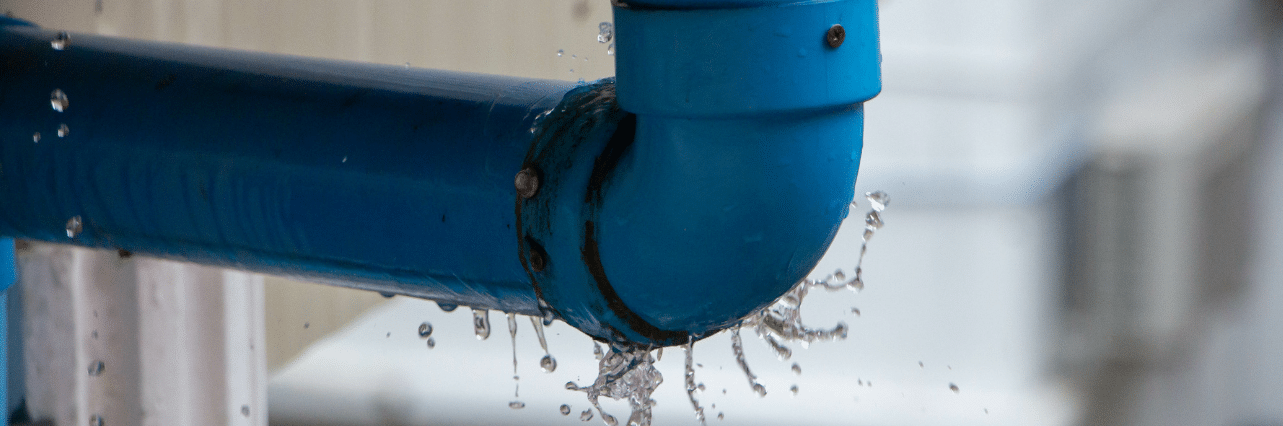
Water leaks can cause costly damage if they are left untreated, but the right repair depends on where the water is escaping from and what material needs to be sealed. A leaking threaded joint, pinhole leak, cracked pipe, failed bathroom seal or roof and gutter leak may all need different products. The best sealant for water leaks is the one that matches the leak type, surface and level of repair required.
This guide explains common options for water leak repairs, how they are normally used, and when it is better to call a professional plumber or roofer rather than relying on a temporary fix.
The Best Sealants for Water Leaks
When choosing a sealant for water leaks, start by identifying the source of the leak. Some products are designed for pipe threads, some for small cracks or pinholes, and others for sealing gaps around bathrooms, kitchens, roofs and gutters.
Epoxy putty: Epoxy putty is a two-part repair compound that is mixed by hand and pressed around the damaged area. It is often used for small cracks, pinhole leaks and emergency plumbing repairs on suitable metal or plastic pipework. Always check the manufacturer’s instructions for wet-surface use, curing time and compatibility with the pipe material.
PTFE tape and thread sealing products: Pipe sealant tape, often called PTFE tape in the UK, is wrapped around threaded pipe connections before they are tightened. It is commonly used on threaded metal and plastic pipe joints to help prevent leaks at the thread. It is not designed to repair a split pipe, failed compression fitting or damaged section of pipework.
Silicone sealant: Silicone sealant is commonly used around baths, showers, sinks, worktops, windows and doors where gaps need to be sealed against water ingress. Sanitary silicone is a better choice for bathrooms and kitchens because it is designed for wet internal areas. Silicone should not be treated as a universal fix for pressurised pipe leaks.
Rubberised and waterproof sealants: Certain rubberised waterproof coatings and roof sealants can help with specific leaks on roofs, gutters, downpipes and external surfaces. These products are useful where flexibility and weather resistance are needed, but they must be matched to the surface and conditions.
As a simple guide, use PTFE tape or thread sealant for threaded plumbing joints, epoxy putty for small cracks or pinhole repairs, sanitary silicone for bathroom and kitchen sealing, and roof or gutter sealants for external waterproofing work.
How to Fix a Water Leak/Leaking Pipe
Some minor leaks can be repaired by homeowners, provided the leak is easy to access and the correct product is used. More serious plumbing faults, repeated leaks, pressurised pipe failures or hidden leaks should be checked by a professional.
Turn off the water supply: Before you begin, turn off the water supply to the affected area. This prevents more water escaping while you inspect and prepare the repair.
Drain the pipes: Once the supply is off, open a nearby tap and allow remaining water to drain away. This helps reduce pressure and makes the repair area easier to work on.
Locate the leak: Look for visible water, damp patches, corrosion, failed joints, cracked fittings or damaged pipework. The repair method depends on whether the leak is coming from a threaded joint, compression fitting, cracked pipe, pinhole leak or surrounding seal.
Clean the area: Remove loose rust, dirt, grease, old sealant and debris where possible. Dry the surface if the chosen product requires dry application. Some repair products can be used on damp surfaces, but this should be confirmed on the product instructions.
Apply the chosen product: Use the product that matches the leak type. Wrap PTFE tape around male pipe threads in the correct direction before reconnecting. Mix and press epoxy putty around a suitable small crack or pinhole repair. Apply sanitary silicone to clean gaps around baths, showers and sinks. Use roof or gutter sealant only where it is suitable for the exterior surface being repaired.
Allow for curing: Follow the manufacturer’s curing guidance before putting the repaired area back into normal service. Curing times vary depending on the product, temperature, humidity and thickness applied.
Test and monitor: Turn the water supply back on gradually and check the repair carefully. If no further signs of leakage are present, the repair may have resolved the issue, but the area should continue to be monitored. If the leak returns, the underlying pipe, fitting or surface may need replacement.
It is important to remember that some leak repairs are temporary. If the pipe is badly corroded, cracked, under pressure or hard to access, sealant may not be the right long-term solution.
Preventing Water Leaks
Preventing leaks is usually easier and cheaper than repairing water damage after the event. Regular checks can help you spot small problems before they become more serious.
Inspect visible pipework, taps, valves and plumbing fixtures for small drips, staining, corrosion or damp patches. Check flexible tap connectors, washing machine hoses and appliance connections, especially in cupboards or utility areas where leaks can go unnoticed.
Keep bathroom and kitchen seals in good condition. Failed sealant around baths, showers, sinks and worktops can allow water to pass behind surfaces, leading to damp, mould and damage to surrounding materials. Replace cracked, loose or mould-damaged silicone with a suitable sanitary sealant.
Inspect roofs, gutters, downpipes and external seals after heavy rain or strong wind. Blocked gutters and cracked external seals can push water into places it should not reach. Roof and gutter sealants can help with some repairs, but damaged roof materials or persistent leaks should be assessed properly.
Avoid pouring grease down drains, as build-up can contribute to blockages and leaks around waste fittings. Monitor your water bill too, as a sudden unexplained increase can be a sign of a hidden leak.
Water alarms are also useful in areas such as kitchens, bathrooms, utility rooms and under sinks. They can alert you to leaks before too much damage is caused.
In conclusion, the best sealant for water leaks depends on the leak itself. Match the product to the surface and repair type, follow the manufacturer’s instructions, and treat recurring or significant leaks as a sign that a more permanent repair may be needed.