Best Sealant for Shower
Choosing the Perfect Shower Sealant: A Comprehensive Guide
Selecting the optimal shower sealant is pivotal for maintaining a water-tight, visually appealing shower space. In this guide, we will delve into the crucial considerations and steps for choosing and applying the best silicone sealant for your shower.
Types of Shower Silicone Sealants
1. Silicone Sealants: Optimal Water Resistance
Silicone sealants reign supreme as the go-to choice for shower applications. Renowned for their exceptional flexibility, water resistance, and durability, they offer an unrivalled sealing solution. When in the market for the best silicone for shower, prioritise a high-quality, mould-resistant silicone sealant that guarantees a lasting, watertight bond.
2. Acrylic Sealants: Budget-Friendly Option
While acrylic sealants present a more budget-friendly option, they may not offer the same level of water resistance as silicone. They are best suited for low-moisture areas. For shower applications, consider investing in a premium acrylic sealant with enhanced moisture resistance for optimal results.
3. Polyurethane Sealants: Unparalleled Adhesion and Flexibility
Polyurethane sealants are distinguished by their exceptional adhesion and flexibility. They can withstand significant temperature variations and are highly resistant to water. Despite a potentially higher price point, their longevity and effectiveness in wet environments make them a worthwhile investment.

Looking to order in bulk?
Call for bulk discounts
01708 525 866
-
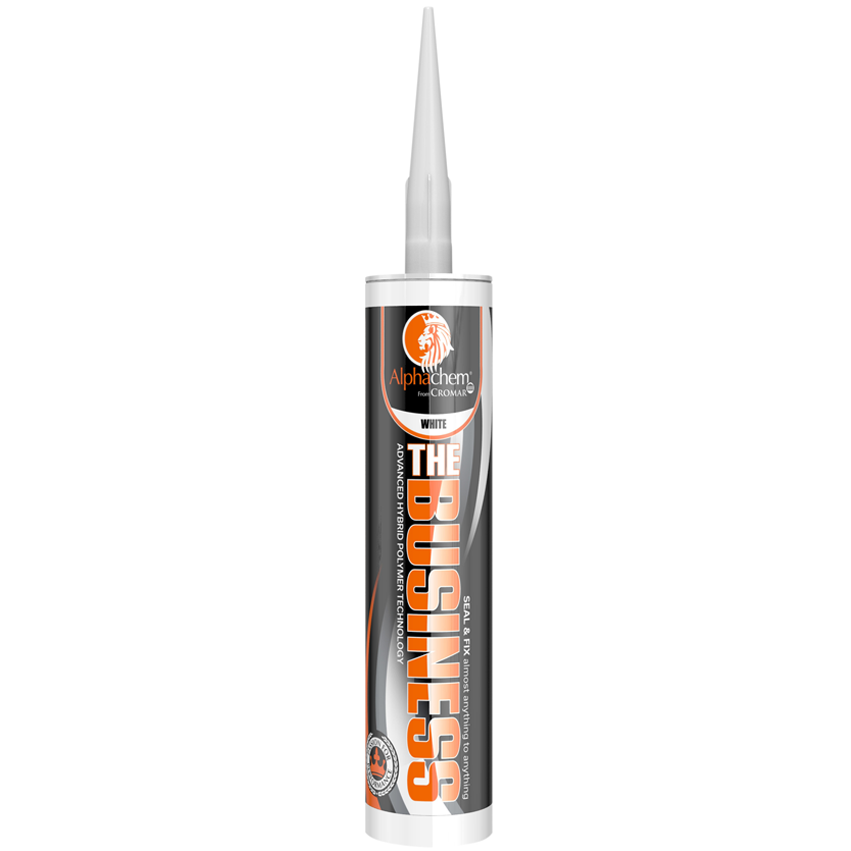
 £3.36 - £8.36 ex. VATSelect options This product has multiple variants. The options may be chosen on the product page
Key Considerations for Choosing Shower Sealant
1. Water Resistance: The Ultimate Priority
The main job of a shower sealant is to create a durable watertight joint around shower trays, bath edges, screens and tiled corners. Choose a bathroom or sanitary silicone designed for wet areas, so it helps reduce water ingress behind tiles and trays.
2. Mold and Mildew Resistance: Ensuring Hygiene
Bathrooms are exposed to regular moisture and condensation, so a sealant with anti-fungal or mould-resistant properties is usually preferred. Sanitary silicone helps resist mould growth and keeps sealed joints cleaner when maintained properly.
3. Flexibility: Adapting to Movement
Shower trays, baths and wall joints can move slightly through use and temperature changes. A flexible sealant helps maintain contact with both sides of the joint, reducing cracks, lifting edges or gaps.
4. Ease of Application: Hassle-Free Installation
Choose a sealant that is straightforward to apply, tool and finish neatly. Good adhesion, clear instructions and a suitable nozzle or sealant gun can help achieve a cleaner result.
Step-by-Step Application Guide
Step 1: Thorough Surface Preparation
Before applying new sealant, remove old silicone fully and make sure surfaces are clean, dry and free from soap scum, dust or residue. Preparation often prevents early lifting.
Step 2: Precision Masking
Protect adjacent surfaces from excess sealant using masking tape. This helps create straight sealant lines and reduces smudging on tiles, trays, screens or surrounding finishes.
Step 3: Methodical Application
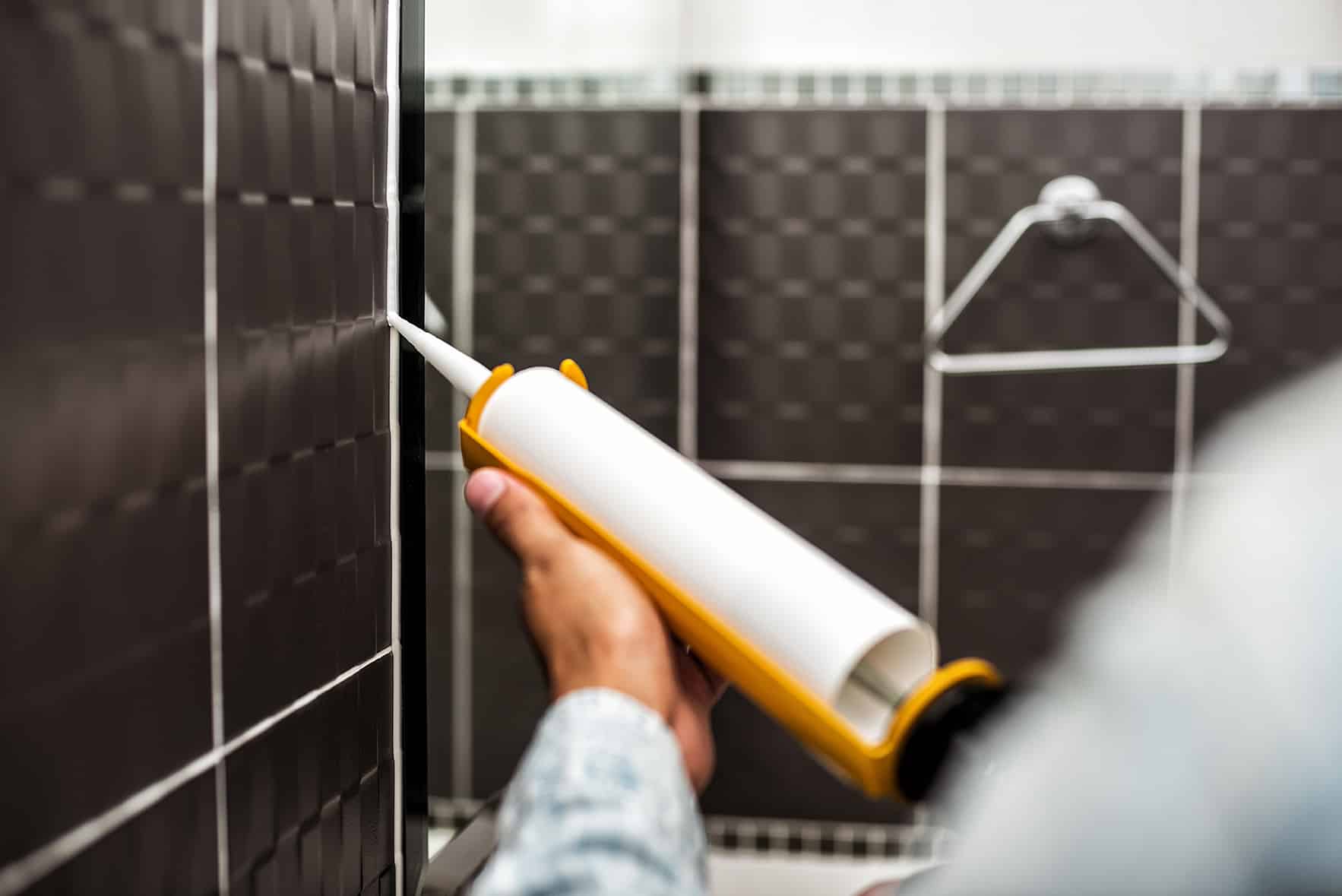
Apply the sealant in a steady, even bead along the joint or seam. Use a sealant gun for control and aim for one continuous bead where possible.
Step 4: Meticulous Smoothing
Smooth the sealant with a suitable sealant tool, ensuring it contacts both surfaces and creates a neat continuous finish. Remove masking tape before the sealant skins over.
Step 5: Adhering to Curing Time
Allow the sealant to cure for the duration recommended by the manufacturer. Avoid exposing the joint to water until the stated curing period has passed.
Maintenance and Care for Your Shower Silicone Sealant
Regularly inspect bathroom sealant for cracks, lifting edges, discolouration or damage. Clean sealed joints with suitable non-abrasive cleaners and replace failing or mould-contaminated sealant promptly.
By choosing bathroom-grade sanitary silicone and applying it carefully, you can create a neat, water-resistant seal around shower trays, screens and tiled joints. Good preparation and curing help the sealant remain effective.
-
£7.15 ex. VATSelect options This product has multiple variants. The options may be chosen on the product page
-
£2.59 ex. VATSelect options This product has multiple variants. The options may be chosen on the product page
-
£2.91 ex. VATSelect options This product has multiple variants. The options may be chosen on the product page
-
£2.58 - £2.70 ex. VATSelect options This product has multiple variants. The options may be chosen on the product page
-
£7.30 ex. VATSelect options This product has multiple variants. The options may be chosen on the product page
-
£4.90 ex. VATSelect options This product has multiple variants. The options may be chosen on the product page