Silicone sealant is an essential tool for bathrooms, kitchens, windows, and other sealing projects. Over time, however, it can become discoloured, damaged, or simply need replacing. Knowing how to remove silicone sealant safely and effectively is crucial to achieving a clean, professional finish without damaging surfaces.
Why Proper Silicone Removal Matters
Removing silicone incorrectly can leave residue, damage tiles, glass, or metal, and make re-sealing difficult. Whether you’re a DIY enthusiast or a professional contractor, using the right approach and products ensures smooth results, saves time, and prevents costly mistakes.
Step 1: Prepare Your Workspace
Before starting, clear the area around the sealant. Remove any loose debris and ensure surfaces are dry. Protective gloves and a utility knife or scraper are recommended for safety. If you’re working in a confined space, ensure good ventilation, especially when using chemical removers.
Step 2: Mechanical Removal
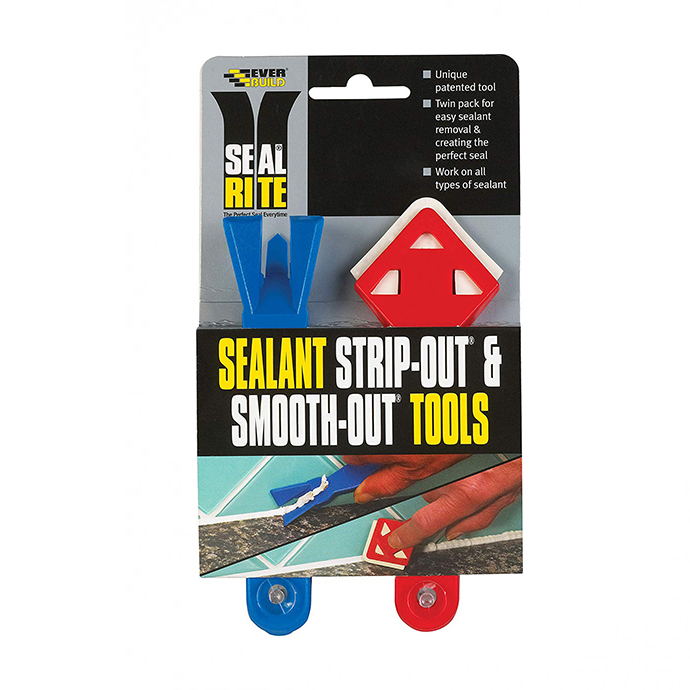
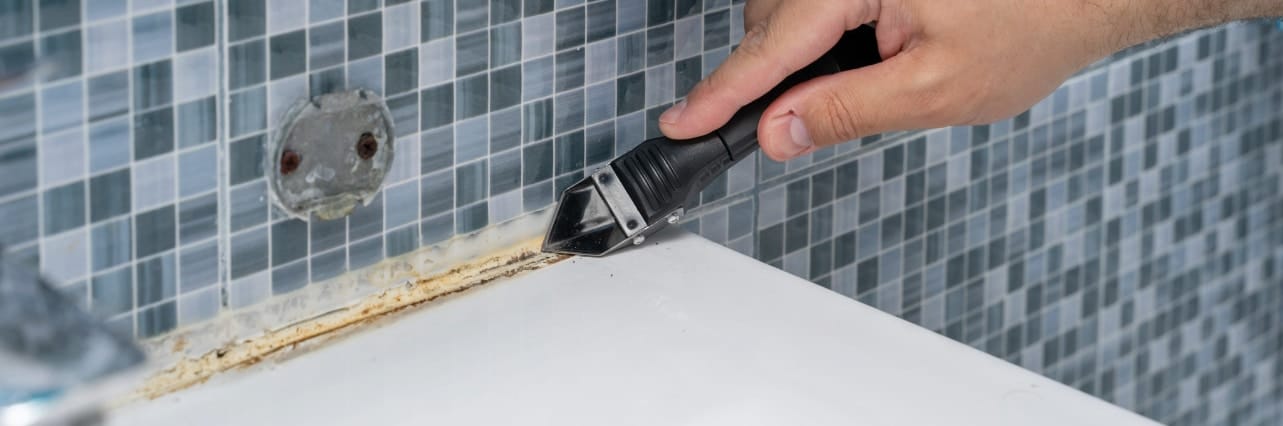
For small or soft silicone residues, a scraper or a sealant strip can often remove the bulk. Products like Everbuild Sealant Strip and Smooth Twin Pack are designed to lift silicone from corners and joints without scratching surfaces. Carefully work along the sealant line to peel away as much as possible.
Step 3: Chemical Removal
Stubborn silicone often requires a chemical remover. Several effective options are available:
-
Bond It DE-Bond Mate Silicone Sealant Remover – Ideal for breaking down cured silicone, making it easier to scrape off.
-
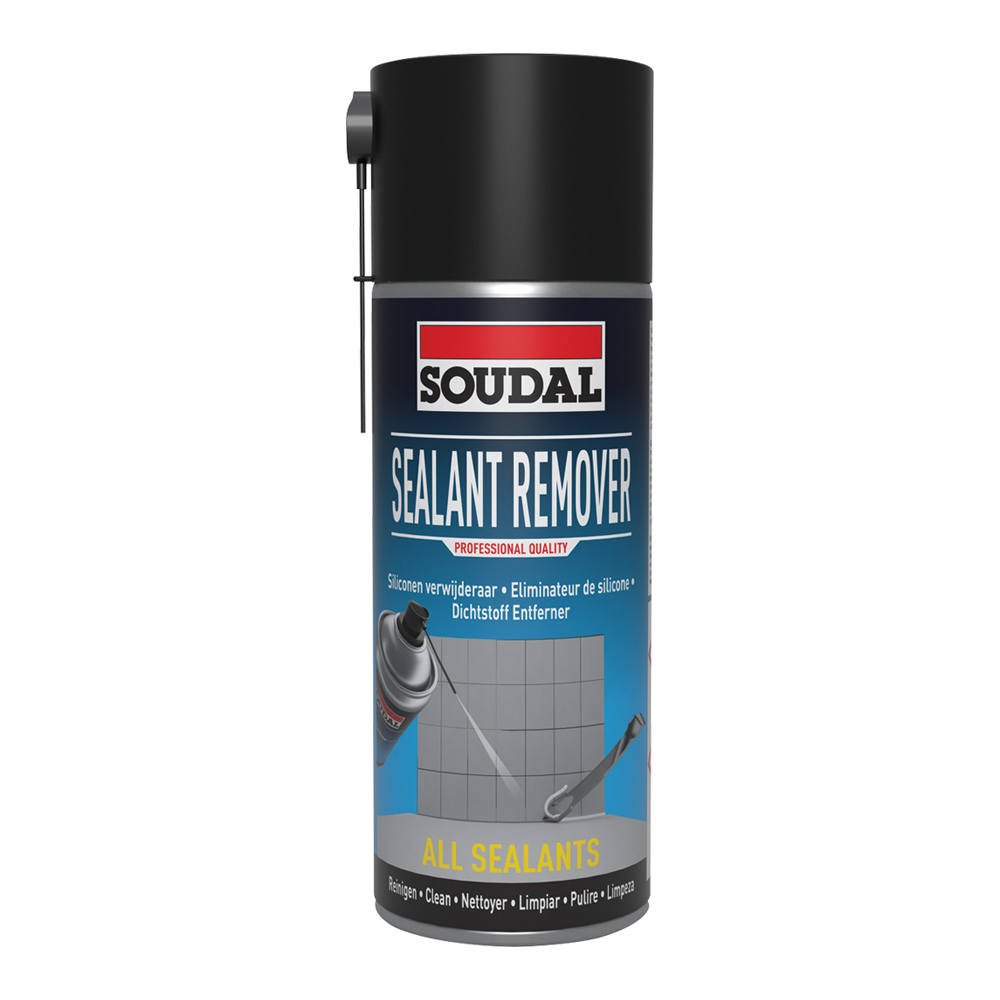
Soudal Sealant Remover 400ml – Works well on larger areas and joints, softening silicone for safe removal.
-
Soudal Silicone Remover 100ml – Perfect for precision work or smaller spaces.
Follow the manufacturer’s instructions carefully. Usually, this involves applying the remover, letting it sit for a specified time, then using a scraper or cloth to lift the silicone.
Step 4: Cleaning Residue
After the silicone is removed, clean the surface thoroughly. Mild soapy water or an appropriate surface cleaner will remove any remaining chemical traces. Allow the area to dry completely before applying new sealant. Proper cleaning ensures strong adhesion for the next silicone layer.
Step 5: Tips for a Smooth Re-Seal
-
Work slowly and carefully to avoid damaging tiles, glass, or metal frames.
-
Always test removers on a small, inconspicuous area first.
-
For large projects, consider using multiple tools and products together – a combination of a mechanical scraper and chemical remover is often the most effective.
-
Take advantage of trade discounts and bulk buying if you frequently work with sealants and removers.
Trade and DIY Advantages
Sealant Supplies offers professional contractors and DIY enthusiasts access to multiple brands and products at competitive prices. Whether you’re completing a bathroom refurbishment, window replacement, or exterior sealing, having the right tools and removers makes the process faster, safer, and more efficient.
A Cleaner, Smarter Approach to Silicone
Knowing how to remove silicone sealant properly is essential for achieving a flawless finish. With the right preparation, tools, and chemical removers, you can tackle even the toughest jobs while protecting your surfaces. Products like Bond It DE-Bond Mate, Soudal Sealant Remover, and Everbuild Sealant Strip simplify the process, saving time and effort.
By combining mechanical and chemical methods, cleaning thoroughly, and taking care during re-sealing, every project can be completed to a professional standard. Whether for trade or DIY, a smarter approach to silicone removal means cleaner joints, better adhesion, and a lasting finish.