Non Toxic Sealants and Safe Sealant Use
Non Toxic Sealants
Non toxic sealants have become increasingly important in both construction and DIY projects, as awareness about the health and environmental impacts of traditional sealants grows.
These sealants are formulated to minimise the release of harmful chemicals, making them safer for both the user and the environment. Understanding the best practices for using non toxic sealants and identifying the areas where they are most beneficial is crucial for ensuring safety and effectiveness.
Understanding Non Toxic Sealants
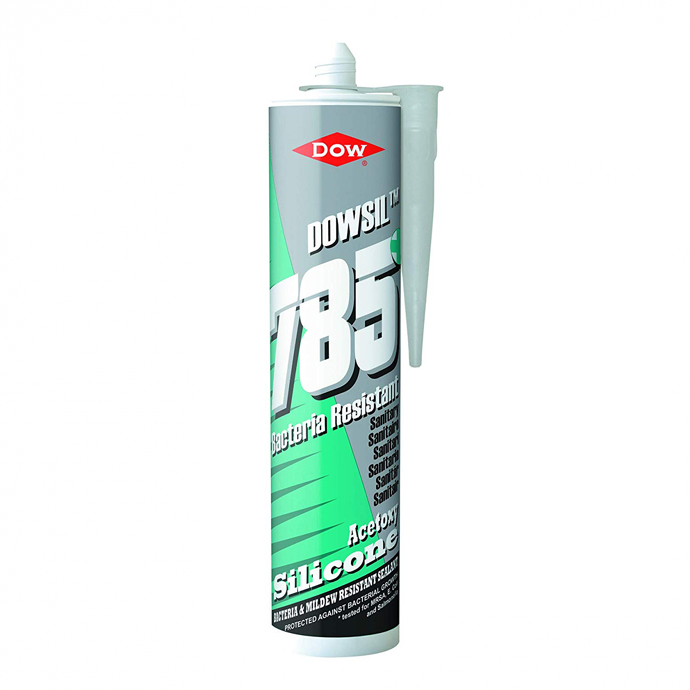
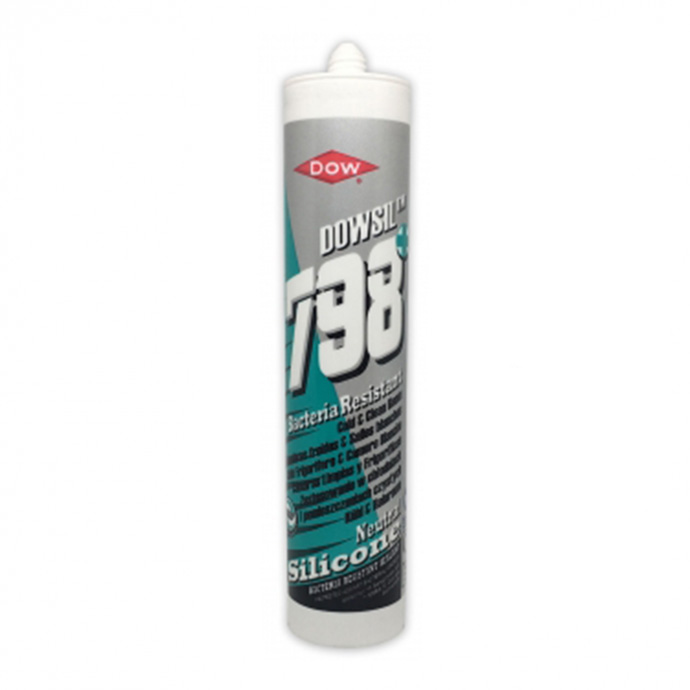
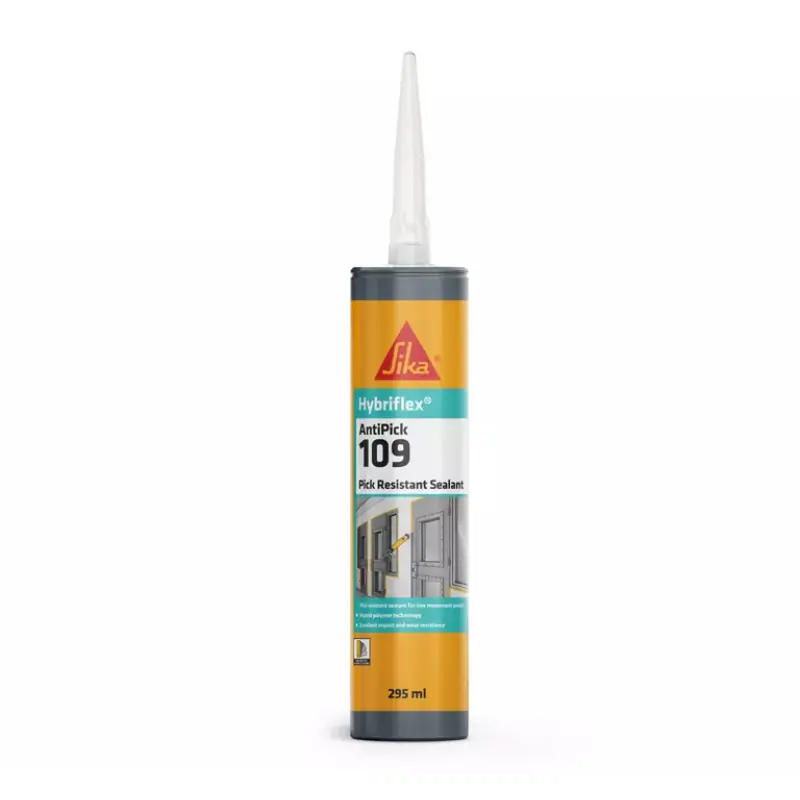
Safe sealants are typically made from natural or less harmful synthetic materials. They are designed to be low in Volatile Organic Compounds (VOCs), which are chemicals that can evaporate into the air at room temperature and pose health risks. Common ingredients in non-toxic sealants include silicone, polyurethane, and acrylic. These materials not only reduce health risks but also often provide excellent durability and flexibility.

-
 £5.85 ex. VATSelect options This product has multiple variants. The options may be chosen on the product page
 -
£27.86 ex. VATSelect options This product has multiple variants. The options may be chosen on the product page
Best Practices for Using Non Toxic Sealants
- Proper Ventilation: Even though these sealants are safer, it’s still important to use them in well-ventilated areas. This ensures any fumes that are emitted are quickly dispersed.
- Surface Preparation: Before applying the sealant, ensure that the surface is clean, dry, and free of dust and grease. This helps in achieving better adhesion and effectiveness.
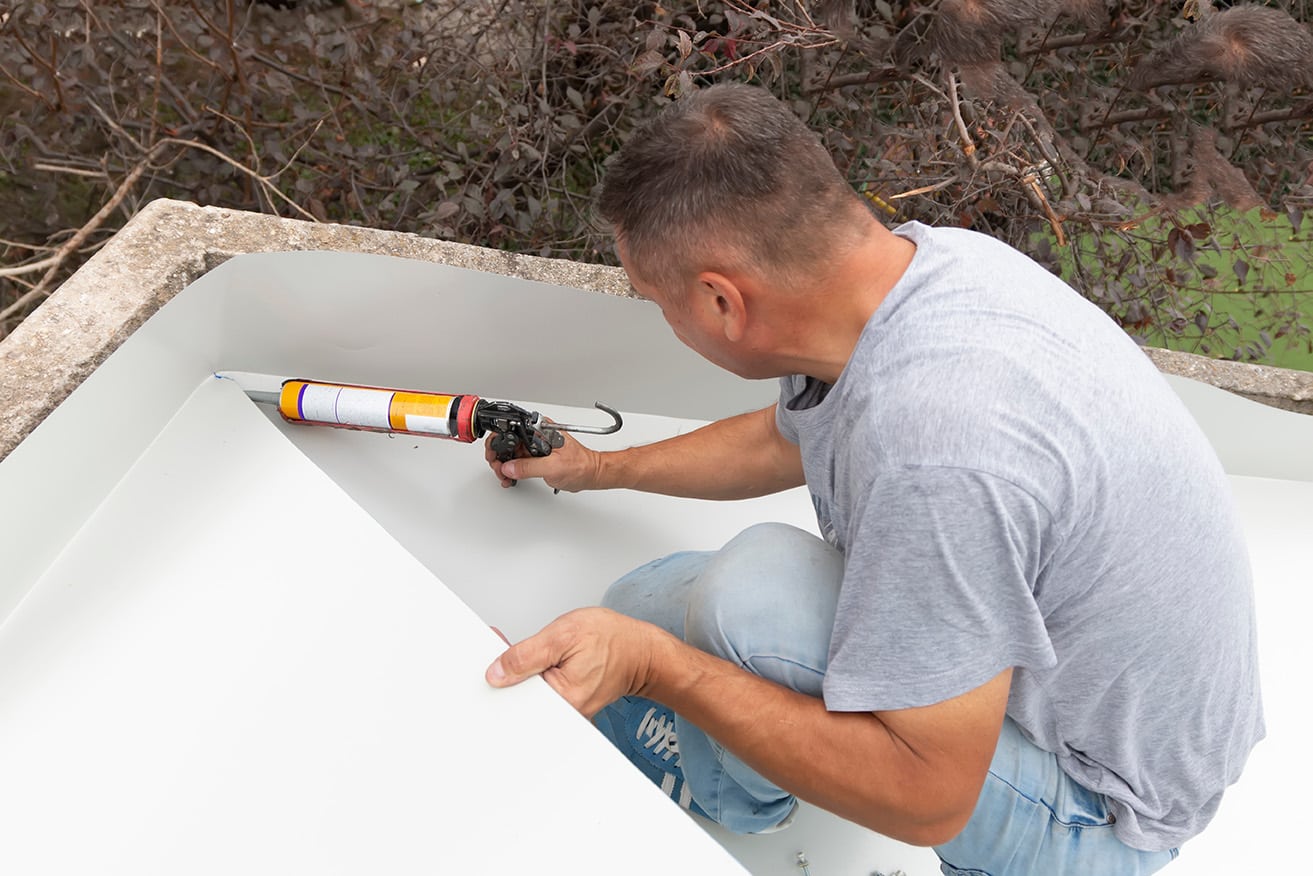
- Appropriate Application: Use the right tools, such as a caulking gun for tubes or brushes for smaller areas, to apply the sealant evenly. Follow the manufacturer’s instructions regarding the thickness of the application and drying times.
- Safety Gear: Wear appropriate safety gear, such as gloves and safety glasses, to protect against accidental splashes or drips.
- Curing Time: Allow adequate time for the sealant to cure fully. This duration can vary depending on the product and environmental conditions.
Areas to Use Safe Sealants
- Indoor Spaces: Safe sealants are ideal for indoor applications, especially in areas with limited ventilation like bathrooms and kitchens. They are also suitable for sealing windows, doors, and flooring where traditional sealants might pose health risks due to prolonged exposure.
- Children’s Rooms and Toys: For areas frequented by children, such as playrooms, these sealants are a safer choice. They can also be used in making or repairing wooden toys, as they are less likely to release harmful fumes.
- Food Preparation Areas: In kitchens, where food is prepared, safe sealants are preferable. They can be used to seal countertops, sinks, and areas around appliances.
- Healthcare Facilities: In hospitals and clinics, where health is a primary concern, using non toxic sealants can contribute to a safer environment.
- Eco-Friendly Projects: For those committed to sustainable living, these sealants are a must. They align with the principles of green building and reduce the ecological footprint of construction projects.
Browse our range of Safe Sealants!
Non toxic sealants offer a safer alternative to traditional sealants, without compromising on performance. By following best practices in their application and choosing the right areas for their use, you can ensure a safer environment while effectively sealing and protecting various surfaces.
As the world moves towards more environmentally friendly and health-conscious choices, safe sealants stand out as a responsible and practical option in both construction and home improvement projects. Browse our range of non toxic and safe sealants, stocking some of the worlds most reputable brands and available to order directly via our website!
-
£5.94 ex. VATSelect options This product has multiple variants. The options may be chosen on the product page
-