Drywall Plasterboard Adhesive - What You Need to Know
When tackling internal wall builds or renovations, the right drywall plasterboard adhesive can make all the difference between a secure, long-lasting installation and a job that needs redoing. Unlike nails or screws alone, modern adhesive solutions offer a strong, continuous bond that reduces movement, cracks and finishing work. This guide walks you through why drywall plasterboard adhesive matters, how to choose the right one, and some excellent products to consider.
Why Use Drywall Plasterboard Adhesive?
Traditionally, plasterboard was fixed using mechanical fasteners such as screws and nails. While these are still part of the process, adhesive is now widely used to:
-
Reduce screw popping and board movement: Adhesive creates a continuous bond across the board, reducing reliance on mechanical fixings alone.
-
Improve acoustic performance: A bonded board limits vibration and sound transmission.
-
Speed up installation: Adhesives can cut down time with fewer fixings to insert.
-
Create flatter surfaces: A consistent bond helps avoid board lippage and uneven walls.
In short, using a quality drywall plasterboard adhesive leads to a stronger, quieter and more durable finish.


Looking to order in bulk?
Call for bulk discounts
01708 525 866

Choosing the Right Adhesive
There are several factors to think about when picking a drywall plasterboard adhesive:
-
Curing time: Some adhesives set quickly, which is great for speed but can require more precision during application.
-
Fire resistance: If working in a compartment where fire ratings matter, look for adhesives with fire-resistant properties.
-
Foam vs paste: Foam adhesives (expanding) are often easier to apply with a gun and handy for uneven surfaces, while paste adhesives can give greater control in certain applications.
-
Compatibility: Check that the adhesive works with your wall type (e.g. masonry, blockwork, timber studs).
With these considerations in mind, here are some top options worth exploring.
Recommended Drywall Plasterboard Adhesives
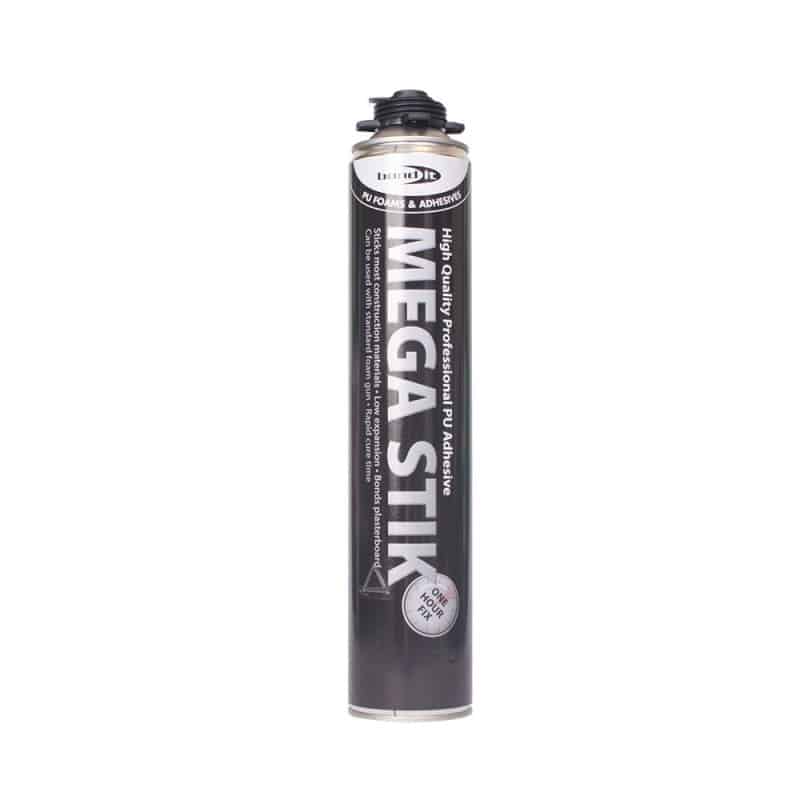
This expanding foam offers a reliable way to bond plasterboard to most substrates. Ideal for both professionals and DIYers, it’s easy to apply with a gun and expands to fill gaps, providing a secure hold. You can find it here:
Designed specifically for plasterboard applications, this fire-rated adhesive combines strength with safety. It’s particularly useful where building regulations require enhanced fire performance. Explore the product here:
A versatile PU foam adhesive that delivers excellent bond strength and versatility. It’s suitable for use on a range of surfaces and performs well in both renovation and new-build scenarios. Take a closer look here:
How to Apply Drywall Plasterboard Adhesive
For best results:
-
Prepare the surface: Make sure the substrate is clean, dry and free from dust or loose material.
-
Apply the adhesive: Following manufacturer instructions, apply in vertical beads or dots depending on the product type.
-
Position the board: Press the plasterboard firmly into place, ensuring full contact with the adhesive.
-
Temporary fixings (optional): Use screws or dabs to hold boards while the adhesive cures, especially overhead.
Ensuring a Reliable Plasterboard Finish
Choosing and applying the right drywall plasterboard adhesive doesn’t need to be daunting. Focus on performance characteristics like adhesion strength, curing speed and any regulatory needs (such as fire resistance). Combining adhesive with minimal mechanical fixings ensures a durable and professional finish that stands the test of time.
If you’re planning your next internal wall project, take a moment to review the products above and select the one that aligns with your needs. A well-bonded wall not only looks better — it performs better too.