


Engineering Sealants Applications & Uses
Engineering Sealants
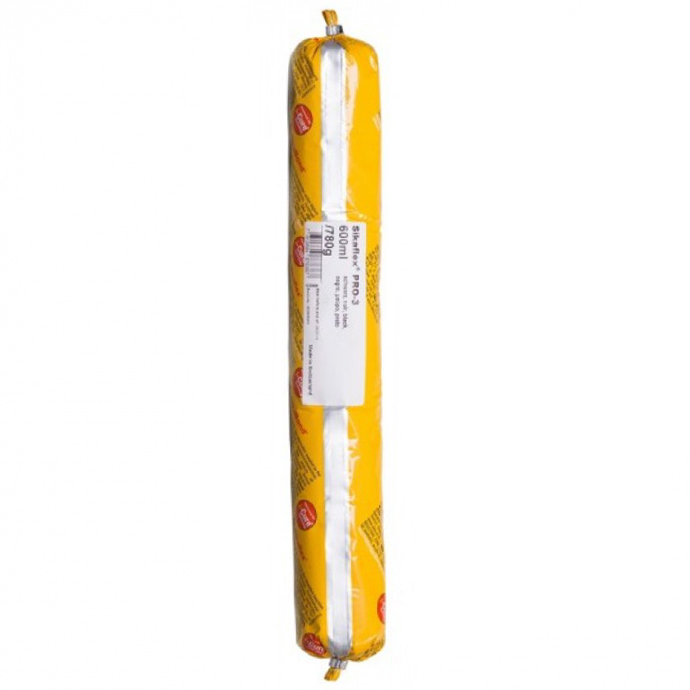
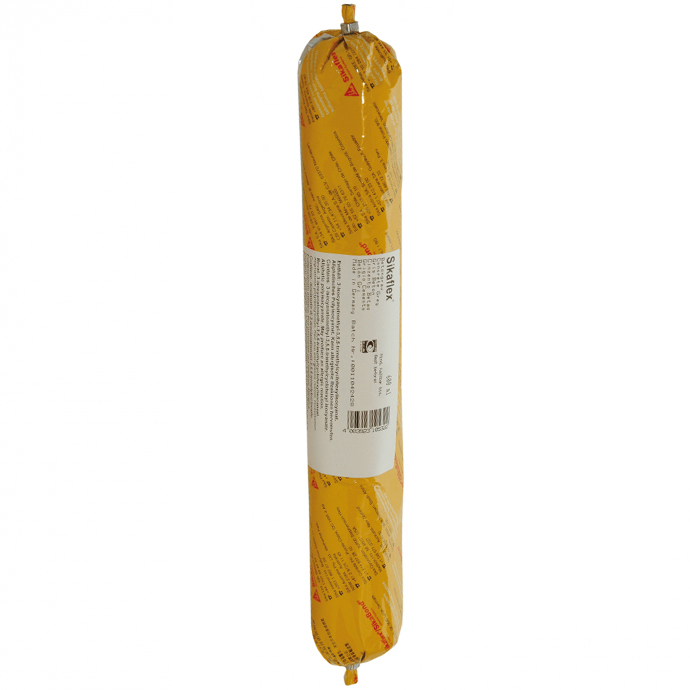
Engineering sealants play a pivotal role in various industrial and construction applications, offering solutions for bonding, sealing, and protecting a wide range of materials. These specialised sealants are designed to withstand extreme conditions, such as high temperatures, pressures, and corrosive environments, making them indispensable in engineering projects. Understanding their best applications, the tools required for their use, and specialist tips can significantly enhance the effectiveness and longevity of these sealants.
Understanding Engineering Sealants
Engineering sealants are high-performance materials formulated to meet specific requirements of strength, flexibility, and resistance to environmental factors. They are commonly used in automotive, aerospace, marine, and construction industries. These sealants include silicone, polyurethane, epoxy, and acrylic-based formulations, each offering unique properties suited to different applications.


Looking to order in bulk?
Call for bulk discounts on bathroom sealants
01708 525 866
-
 £8.54 - £9.42 ex. VATSelect options This product has multiple variants. The options may be chosen on the product page
 -
Best Applications of Engineering Sealants
- Automotive Industry: Used for gasketing, bonding automotive parts, and sealing joints to withstand high temperatures and vibrations.
- Aerospace: Sealants in this sector must endure extreme temperatures and pressures, often used in fuel systems and fuselage sealing.
- Marine Applications: Here, sealants must resist saltwater corrosion and withstand varying pressures, used in hull sealing and deck-to-hull joints.
- Electronics: In electronics, sealants protect components from moisture, dust, and thermal variations.
- Construction: Used for sealing joints, cracks, and seams in buildings, especially in areas exposed to weather or chemical stress.
Tools for Applying Engineering Sealants
- Caulking Guns: Essential for applying sealants from tubes or cartridges, providing control over the flow and application rate.
- Trowels and Spatulas: Useful for spreading and smoothing sealant over larger surfaces or in intricate areas.
- Mixing Tools: For two-component sealants, proper mixing tools ensure a consistent mixture, crucial for optimal performance.
- Pumps and Dispensers: For industrial-scale applications, these tools facilitate efficient, uniform application.
Specialist Engineering Sealant Tips
- Surface Preparation: The key to effective sealing is proper surface preparation. Surfaces should be clean, dry, and free of dust, grease, or old sealant. Use appropriate cleaners and primers if necessary.
- Correct Selection: Choose a sealant that matches the specific requirements of the application, considering factors like temperature range, chemical exposure, and mechanical stress.
- Temperature Considerations: Apply sealants at recommended temperatures. Extreme cold or heat can affect the curing process and final properties of the sealant.
- Thickness and Application: Apply the sealant in the right thickness, as per manufacturer’s guidelines. Too thin a layer may not provide adequate sealing, while too thick can lead to curing issues.
- Curing Time: Allow sufficient time for the sealant to cure fully before exposing the sealed area to stress or environmental factors.
- Regular Inspection and Maintenance: Regularly check sealed areas for signs of wear, degradation, or failure, especially in high-stress environments.
- Safety Measures: Always use appropriate personal protective equipment (PPE) like gloves, goggles, and masks when handling and applying sealants, especially in enclosed spaces.
Browse our range of engineering sealants!
Engineering sealants are crucial in ensuring the integrity and longevity of various industrial and construction projects. By selecting the appropriate type of sealant, preparing surfaces correctly, using the right tools, and following specialist tips, one can maximise the effectiveness of these sealants.
As technology advances, the development of more sophisticated and specialised sealants continues, further enhancing the capabilities and applications in the field of engineering. We have a huge range of engineering sealants available via our website, stocking some of the UK’s most reputable brands!