When strength, durability and versatility matter, polyurethane glue is often the adhesive professionals and experienced DIYers rely on. From woodworking and general construction to tiling and exterior repairs, this type of adhesive offers performance that many standard glues simply can’t match.
One of the standout features of polyurethane glue is its ability to bond a wide range of materials. Unlike basic PVA adhesives, it works effectively on wood, metal, masonry, stone and certain plastics. This makes it ideal for projects where different materials meet, such as timber fixed to concrete or metal components bonded to wood.
Another key advantage of polyurethane glue is its moisture resistance. Once cured, it forms a waterproof bond that holds up well in damp or outdoor environments. This is particularly useful for garden structures, external joinery, bathrooms or kitchens where humidity is unavoidable. Because the glue cures using moisture, slightly damp surfaces can actually improve bonding, a useful benefit on site.
Polyurethane glue also expands slightly as it cures. This gap-filling property helps compensate for uneven surfaces and imperfect joints, creating a tighter, more secure bond. However, it does mean care is needed during application, as excess expansion should be cleaned away before curing.
For woodworking tasks, fast-setting polyurethane options allow joints to be clamped and handled quickly, improving efficiency without sacrificing strength. In heavier-duty applications such as flooring or tiling, flexible polyurethane-based adhesives help absorb movement, reducing the risk of cracks or bond failure over time.
If you’re considering using polyurethane glue and want a deeper understanding of how it works, where it performs best and which products suit different tasks, you can explore the full guide here.
When Is Polyurethane Glue the Best Choice?
Polyurethane glue is particularly well suited to:
-
Projects requiring high bond strength
-
Bonding dissimilar materials
-
Exterior or moisture-exposed areas
-
Applications where slight movement is expected
That combination of strength and flexibility makes it a reliable solution for both small DIY repairs and demanding trade work.
-
Cromar Alphachem Polyurethane 25
A strong, general-purpose polyurethane adhesive ideal for construction/accounts, timber, masonry and insulation boards. It offers excellent durability and moisture resistance, making it a solid choice for both interior and exterior projects. -
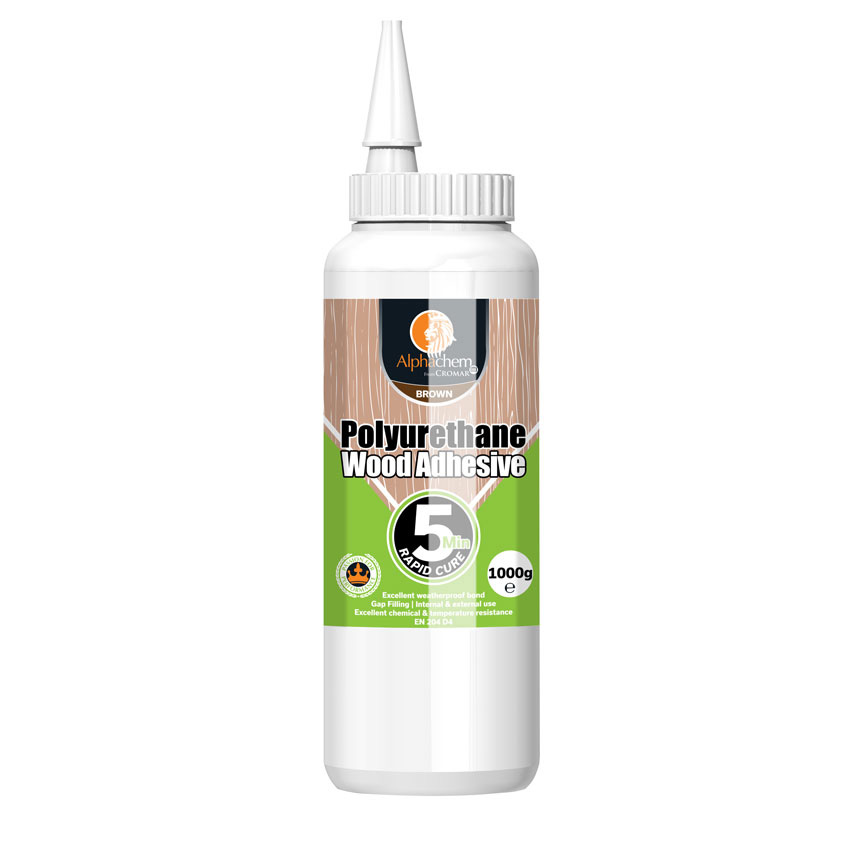
Cromar Alphachem Polyurethane Wood Adhesive
Designed specifically for woodworking, this fast-setting polyurethane glue is perfect for joints, trims and furniture repairs where quick handling time is needed without compromising strength. -
ARDEX X 60 PU Flex Resin Tile Adhesive
A flexible, polyurethane-based resin adhesive developed for tiling applications. It’s particularly useful where movement or vibration may occur, helping maintain long-term bond integrity on floors and walls.
Making the Most of Polyurethane Glue
To achieve the best results, always prepare surfaces properly, apply the adhesive sparingly and clamp where possible. Cleaning away excess before it cures will also save time and effort later.
When used correctly, polyurethane glue delivers long-lasting results that stand up to real-world conditions. Whether you’re repairing, building or installing, it’s a dependable option that helps ensure your work lasts.
-
 £5.32 ex. VATSelect options This product has multiple variants. The options may be chosen on the product page
 -