Tools & Materials possibly Needed
-
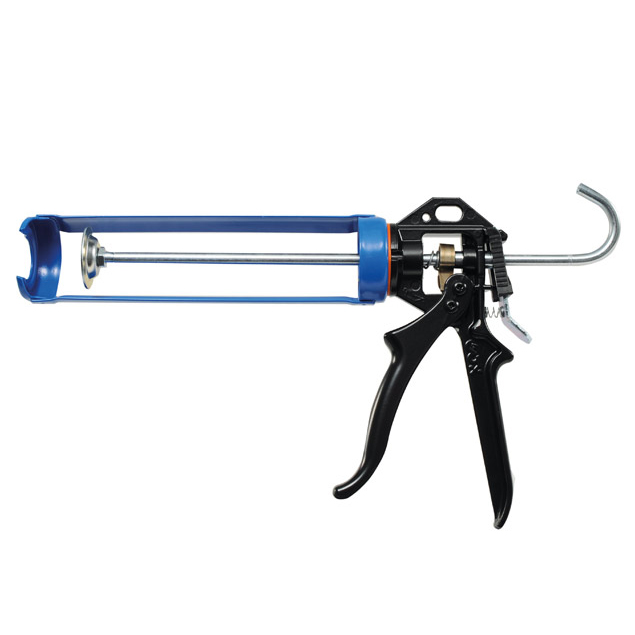
Caulking gun (for cartridge)
-
Utility knife or nozzle cutter
-
Masking tape (optional, for clean edges)
-
Cleaning cloth or alcohol-based cleaner
-
Glass cleaner (ammonia-free)
-
Silicone smoothing tool or gloved finger
Application Instructions
Surface Preparation
Ensure all bonding surfaces (especially glass) are completely clean, dry, and free of grease, dust, or soap residue.
Clean glass thoroughly with an alcohol-based cleaner or acetone. Do not use ammonia-based cleaners.
For best adhesion, lightly roughen surfaces if needed (only where hidden from view).
-
Masking (Optional)
Apply masking tape along the edges of the joint to get clean, straight lines.
This is especially useful for visible seams in aquariums.
-
Apply the Sealant
Cut the nozzle at a 45° angle to match the joint size.
Apply Silirub AQ smoothly and evenly into the joint or bonding area using a caulking gun.
Ensure there are no air bubbles in the sealant bead.
-
Tooling (Smoothing)
Within 10 minutes of application, smooth the sealant with a silicone tool or a gloved, moistened finger.
This ensures proper contact and a neat finish.
Remove masking tape immediately after tooling.
-
Curing
Allow to cure at room temperature. Do not disturb the joint during curing.
Skin formation typically occurs in ~10 minutes.
Full cure: Allow at least 24–48 hours per 3–4 mm depth (longer for thicker joints or low temperatures).
-
Aquarium Use
Wait 7–10 days after full curing before filling with water to ensure the sealant is completely cured and safe for aquatic life.
Important Notes
Avoid contact with water, steam, or high humidity during the curing period.
Always check that all parts of the structure are bonded securely before use.
Limitations of Silirub AQ
Not suitable for structural glazing
It’s a sealant, not intended to bear structural loads between glass panels.
Only for non-porous surfaces
Does not adhere well to porous materials like wood, stone, or concrete without primers.
Not paintable
Paint will not adhere to cured silicone; use where the final color will remain visible.
Not for use on plastics like PE, PP, or PTFE
Poor adhesion to low surface energy plastics without special surface treatment.
Requires full curing before water exposure
Aquariums must remain dry during curing—minimum 7 days before filling with water to ensure safety for aquatic life.
Limited flexibility in wide joints
Best used in narrow to medium-width joints; wide gaps may compromise strength.








Reviews
There are no reviews yet.